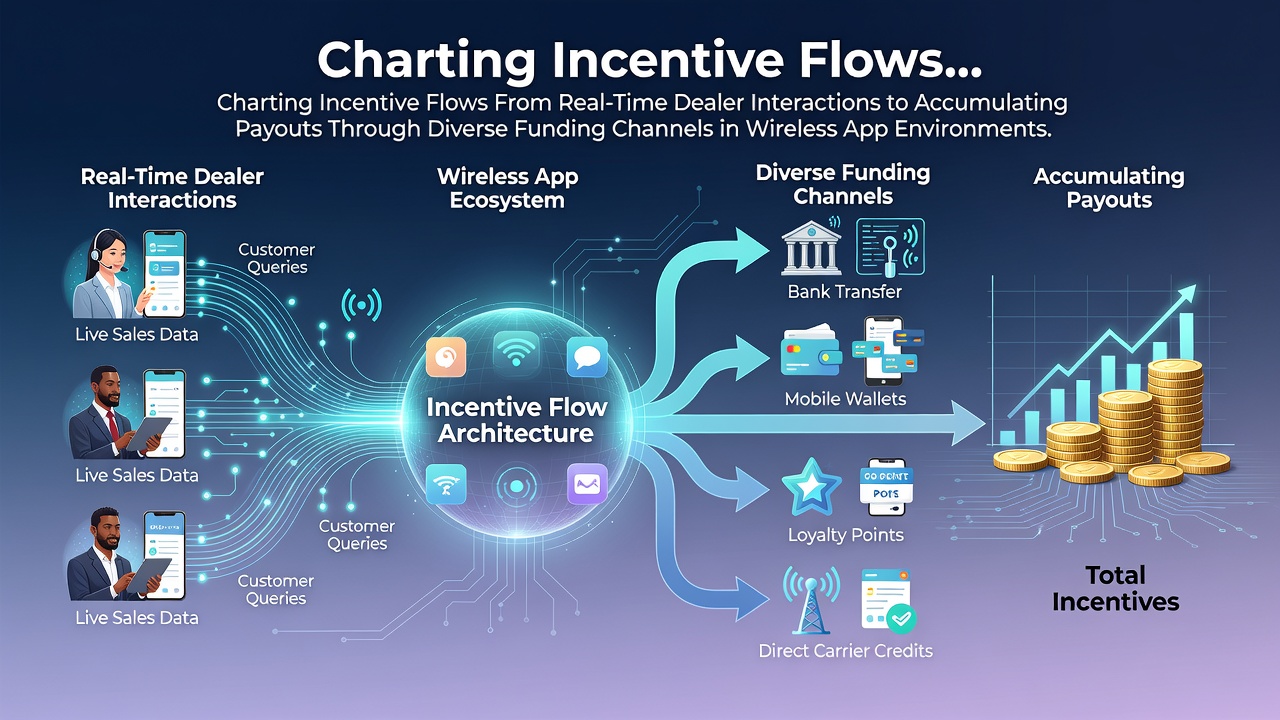
Charting Incentive Flows From Real-Time Dealer Interactions to Accumulating Payouts Through Diverse Funding Channels in Wireless App Environments
Real-time dealer interactions in wireless app environments generate data streams that feed directly into incentive tracking mechanisms, and these systems map player actions at live tables to reward points or bonus credits without intermediate delays. Observers note that each bet placed through a mobile interface triggers an immediate log entry, which then routes through backend servers to accumulate value across multiple sessions. Researchers at institutions studying digital finance have documented how these flows operate across platforms that support both table games and progressive reward structures.
Mapping Dealer Interactions to Incentive Data
Live dealer sessions captured through wireless connections produce timestamped records of wagers, wins, and participation metrics, while app architectures convert these records into incentive units that build toward payout thresholds. Data from industry reports indicates that operators integrate application programming interfaces to link table outcomes with loyalty ledgers in under two seconds on average. Those who examine transaction logs find patterns where extended dealer engagement correlates with higher accumulation rates in reward balances, particularly when apps employ session-based multipliers.
Accumulation Mechanisms in Mobile Systems
Wireless apps consolidate incentive data from multiple dealer tables into unified player profiles, and this consolidation allows balances to grow through repeated interactions rather than isolated events. Studies on mobile transaction volumes show that users who alternate between live dealer tables and other game types often reach payout eligibility faster because the systems aggregate across categories. In October 2026, updates to several major platforms introduced layered accumulation rules that adjust rates based on time spent in real-time sessions, according to documentation from platform providers.
One case examined by analysts involved an app that routed dealer interaction data through a central engine before distributing credits to separate funding pools, and this routing reduced manual reconciliation steps for operators. The process relies on secure token exchanges that preserve transaction integrity while permitting rapid updates to user accounts.
Diverse Funding Channels and Payout Pathways
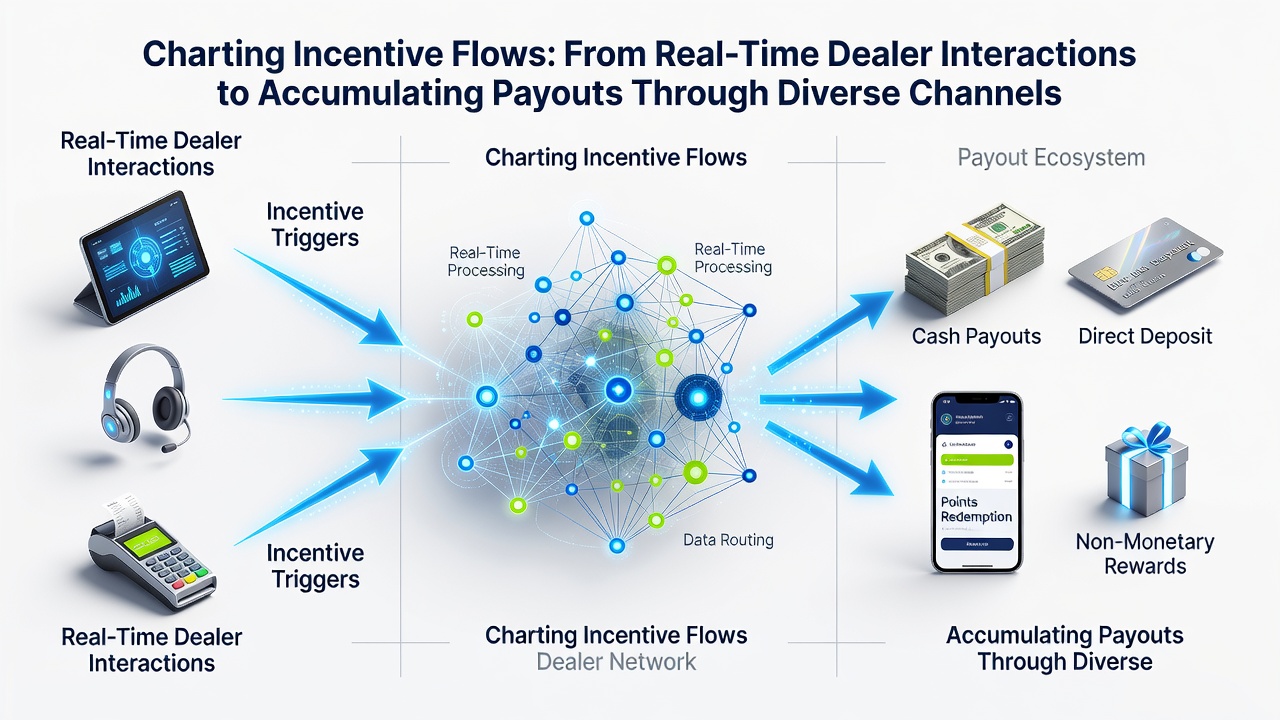
Accumulated incentives move toward disbursement through funding channels that include bank transfers, digital wallets, and card networks, each selected by the user within the app settings. Reports from the Federal Reserve on real-time payment systems highlight how these channels support same-day settlement for eligible balances once thresholds are met. Apps maintain separate ledgers for each channel to ensure accurate routing when users request withdrawals after dealer sessions conclude.
European Central Bank analyses of digital payment infrastructures reveal that integration with multiple channels reduces processing friction, especially when incentives stem from live interactions that occur across different time zones. Operators configure rules so that accumulated rewards convert to the preferred channel without altering the original incentive calculation logic. Those monitoring these flows observe that channel diversity also accommodates regulatory variations by region, allowing the same app instance to serve users under differing settlement standards.
Wireless Environment Considerations
Wireless connectivity influences the speed at which dealer interaction data reaches accumulation engines, and intermittent signals can create temporary buffers that resolve once connectivity stabilizes. Platform documentation describes fallback procedures that store session data locally until upload completes, preserving the chain from live table action to final payout eligibility. Research published by academic groups focused on mobile networks indicates that optimized compression techniques now keep data packet sizes small enough to maintain near-real-time tracking even on variable 5G and Wi-Fi links.
App developers implement encryption layers around incentive records during transit, and these measures align with standards that protect both player data and operator audit trails. Funding channel selection occurs after accumulation completes, which separates the tracking phase from the disbursement phase in system architecture diagrams.
Integration Patterns Across Platforms
Multiple wireless apps demonstrate similar patterns where real-time dealer data feeds a central incentive ledger before branching into available funding options, and this shared structure appears in both established and newer market entrants. Figures from industry association surveys show increased adoption of unified ledgers since 2024, driven by demands for faster reconciliation. Observers note that such patterns allow operators to scale across regions without rebuilding core tracking logic for each new funding partner.
One documented implementation routes accumulated credits through an intermediary validation step that checks against responsible gaming parameters before any channel processes the payout. This step operates independently of the dealer interaction recording, maintaining separation between engagement tracking and financial execution.
Conclusion
The progression from real-time dealer interactions to accumulated incentives and onward to diverse funding channels forms a continuous pathway within wireless app environments, supported by backend systems that prioritize speed and accuracy. Available data from regulatory and research bodies continues to track adoption rates of these integrated flows as mobile usage expands globally. Platform updates scheduled through late 2026 are expected to refine further the connections between session data and payout execution without altering the fundamental mapping processes already in place.