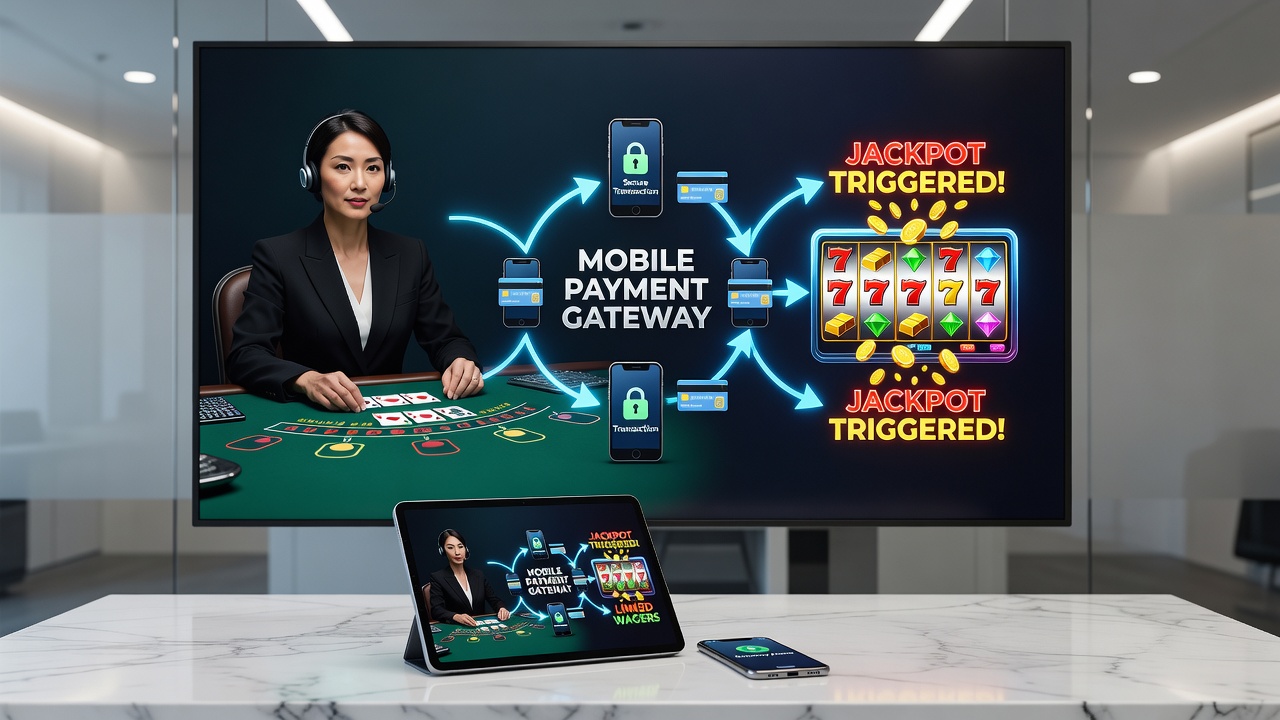
Provider Tactics Linking Live Dealer Table Wagers to Slot Jackpot Triggers via Mobile Payment Gateways
Industry observers note that several software providers have developed systems where wagers placed at live dealer tables connect directly to slot machine jackpot pools through mobile payment gateways, and this integration occurs when players authorize transactions via apps on their devices. The process relies on APIs that monitor table game activity adn route portions of those wagers into progressive jackpot meters attached to slot titles, while mobile gateways such as digital wallets handle the fund transfers in real time.
Technical Mechanisms Behind the Integration
Developers at major gaming software companies build these connections by embedding tracking scripts into both live dealer platforms and slot engines, so that a bet registered on a blackjack table, for instance, increments a shared jackpot counter visible on linked slot games. Mobile payment gateways serve as the bridge because they transmit not only the monetary value but also metadata that flags the transaction for jackpot eligibility, and this occurs without requiring players to switch between separate applications. Researchers who have examined similar architectures report that the gateways must maintain low-latency connections to avoid delays between the table wager and the slot trigger event.
One documented approach involves tokenization of the payment, where the gateway issues a unique identifier that the provider’s backend associates with both the live table session and the slot jackpot pool. This method allows providers to allocate a percentage of each table wager to the jackpot while complying with jurisdictional rules on fund segregation, and data from testing environments shows that such systems process thousands of linked transactions per hour during peak periods.
Role of Mobile Gateways in Transaction Flow
Mobile payment gateways facilitate the linkage by embedding rules that detect when a player’s balance originates from a live dealer interface and then apply conditional logic to redirect fractions of those funds. Providers configure these rules at the gateway level so that jackpot contributions occur automatically once the wager clears, and this automation reduces manual intervention by operators. Figures from transaction logs released by certain platform vendors indicate that gateway-mediated triggers account for measurable increases in jackpot pool growth rates compared with isolated slot-only contributions.

Regulatory Considerations Across Jurisdictions
Regulatory bodies in various regions require that any cross-game jackpot mechanics maintain clear audit trails, and providers respond by logging every gateway transaction with timestamps and player identifiers. The Nevada Gaming Control Board, for example, has published technical standards that cover progressive systems spanning multiple game types, while similar guidance appears in reports from the Australian Communications and Media Authority on digital payment integrations. Observers note that these requirements push providers to implement gateway-level validation steps that confirm each linked wager meets minimum contribution thresholds before the jackpot meter advances.
In October 2026, updates to certain technical specifications in North American markets are scheduled to take effect, and these changes emphasize enhanced encryption for metadata passed through mobile gateways during jackpot trigger events. Providers have already begun adjusting their API endpoints to accommodate the new encryption protocols, and testing conducted by independent labs confirms that the adjustments preserve transaction speed while meeting the updated compliance criteria.
Examples of Provider Implementation
Take one case where a European-based provider partnered with a mobile wallet service to enable live roulette wagers to feed into a network of video slots, and the integration used a dedicated API endpoint that the gateway queried after each table round. Another example involves a North American operator that configured its payment gateway to recognize specific table game identifiers and automatically allocate wager portions to a multi-site slot jackpot, with the entire flow documented in quarterly compliance filings submitted to state regulators. Those who have reviewed the technical documentation observe that the gateways handle currency conversion and fee deduction before the jackpot contribution is calculated, ensuring the final amount credited to the pool matches regulatory formulas.
Conclusion
Providers continue to refine the connections between live dealer wagers and slot jackpot triggers by optimizing mobile payment gateway configurations, and the resulting systems rely on precise API coordination and metadata tagging to maintain functionality across devices. Data from platform vendors and regulatory filings demonstrate consistent growth in the number of transactions processed through these linkages, while upcoming specification updates scheduled for late 2026 will likely influence further technical adjustments. Industry reports from sources such as the American Gaming Association and academic analyses hosted by the University of Nevada, Reno provide ongoing documentation of these developments without prescribing specific operational tactics.